For distributors and brands, developing a new battery or energy product requires more than adding a logo to an existing model.
A complete OEM or ODM project can involve battery selection, electrical configuration, structure, functions, branding and production planning.
Step 1: Requirement Evaluation
The project normally begins with basic requirements such as:
Target application
Voltage
Capacity
Power
Dimensions
Functions
Target market
Order quantity
Reference products, drawings or specifications can also help clarify the project.
Step 2: Product Configuration
Based on these requirements, suitable battery cells, pack configurations, BMS solutions, interfaces and product structures can be evaluated.
Step 3: Design and Prototype
For ODM projects, structural design, appearance and functional development may be required.
A prototype or customized sample can then be produced for evaluation.
Step 4: Testing and Optimization
The product should be tested against the agreed specifications before mass production.
Depending on the product, this may include electrical performance, capacity, charging and discharging, functional and aging tests.
Step 5: Branding and Packaging
OEM projects may also include:
Customer logo
Product labels
Colors
User manuals
Cartons
Customized packaging
Step 6: Mass Production
Once the sample and specifications are approved, the project can move into volume production and quality control.
JEEVA POWER supports OEM and ODM development from battery cells and packs to complete energy products, helping B2B customers move from initial requirements to production-ready solutions.
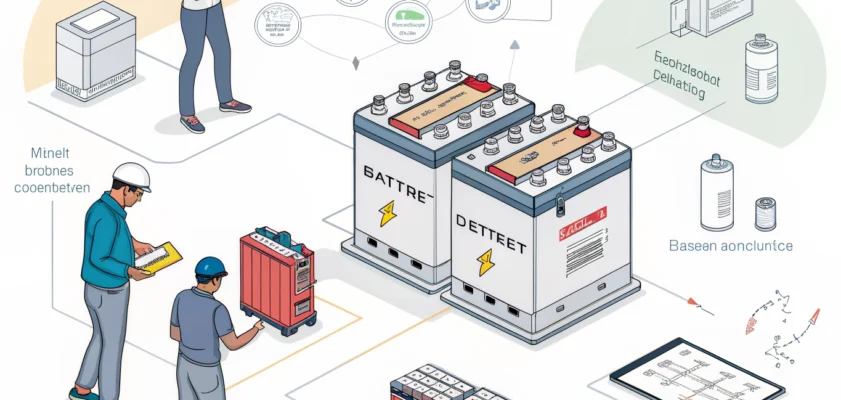

For distributors and brands, developing a new battery or energy product requires more than adding a logo to an existing model.
A complete OEM or ODM project can involve battery selection, electrical configuration, structure, functions, branding and production planning.
Step 1: Requirement Evaluation
The project normally begins with basic requirements such as:
Reference products, drawings or specifications can also help clarify the project.
Step 2: Product Configuration
Based on these requirements, suitable battery cells, pack configurations, BMS solutions, interfaces and product structures can be evaluated.
Step 3: Design and Prototype
For ODM projects, structural design, appearance and functional development may be required.
A prototype or customized sample can then be produced for evaluation.
Step 4: Testing and Optimization
The product should be tested against the agreed specifications before mass production.
Depending on the product, this may include electrical performance, capacity, charging and discharging, functional and aging tests.
Step 5: Branding and Packaging
OEM projects may also include:
Step 6: Mass Production
Once the sample and specifications are approved, the project can move into volume production and quality control.
JEEVA POWER supports OEM and ODM development from battery cells and packs to complete energy products, helping B2B customers move from initial requirements to production-ready solutions.
What Is an All-in-One Energy Storage System and How Does It Work?